



Welcome to Pālolo Valley

Living in Pālolo Valley.

Honolulu & Town neighborhood guide.

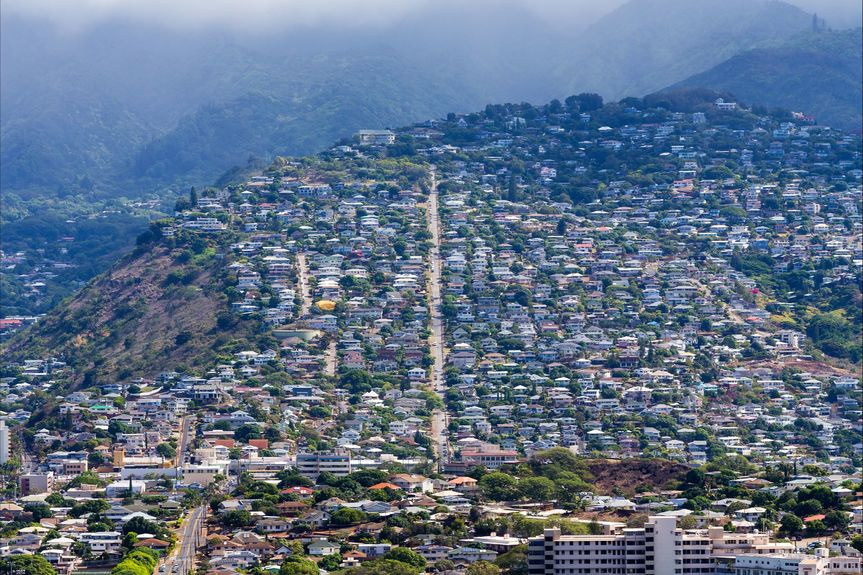
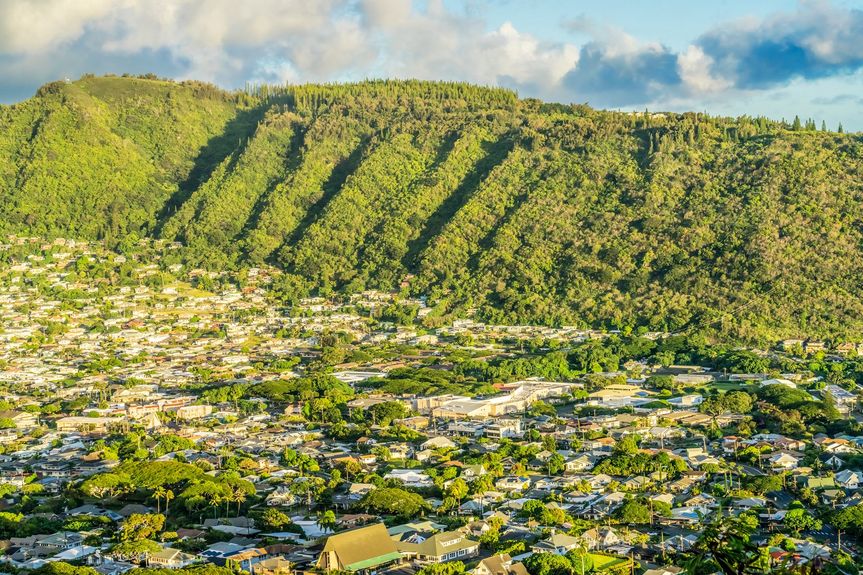
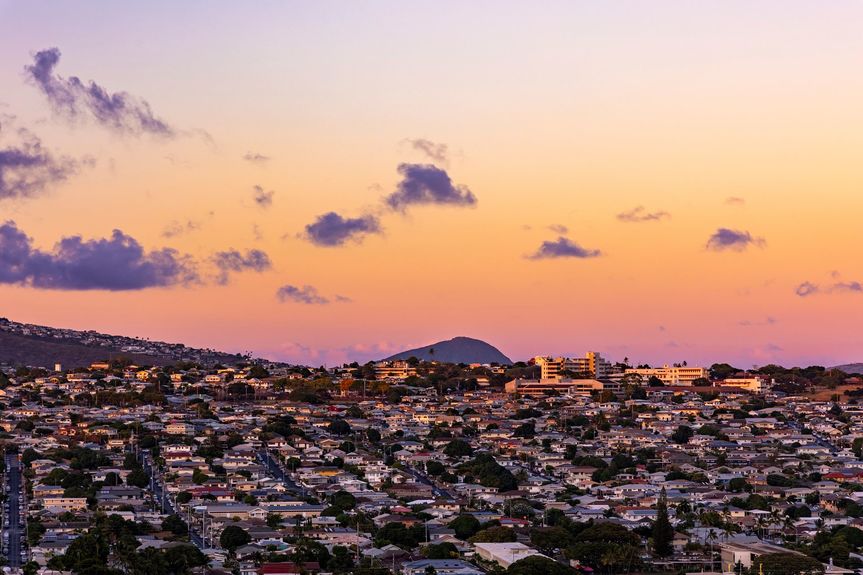
Pālolo is a long residential valley running mauka from 10th Avenue toward Kaʻau Crater, between St. Louis Heights and Wilhelmina Rise. It has one of Honolulu's deepest stocks of multigenerational housing, with modest single-family homes, larger properties, and a meaningful amount of ADU potential. The distinction from Kaimukī matters: 10th Avenue is the boundary, and everything mauka of it is Pālolo.

View Pālolo Valley Homes
Begin a Conversation

Pālolo Valley

Location
Between St. Louis Heights and Wilhelmina Rise, from 10th Avenue toward Kaʻau Crater.

Location

ZIP Code
96816

ZIP Code

Housing
Single-family homes, multigenerational properties, homes with second units, condos and townhomes.

Housing

Tenure
Primarily residential fee-simple property; verify individual property and association documents.

Tenure

Landmark
Pālolo Valley District Park • Mu-Ryang-Sa •  Pālolo Chinese Home • Kaʻau Crater

Landmark

Rentals
Rentals under 30 days are not permitted in residential zones without a nonconforming use certificate. Rules for 30- to 89-day rentals are still in flux, so verify for the specific property.

Rentals

Climate
Warmer and drier toward lower Pālolo; wetter toward the upper valley.

Climate

Geography
Long, narrow valley with streams, valley floor, and steeper upper areas.

Geography

The place

A brief history of Pālolo Valley.

Pālolo was farmed long before it became a residential neighborhood, with taro along its streams followed by truck farms and dairies. A quarry once operated in the valley, while the flat land at the back of Pālolo served as an airstrip until 1951.

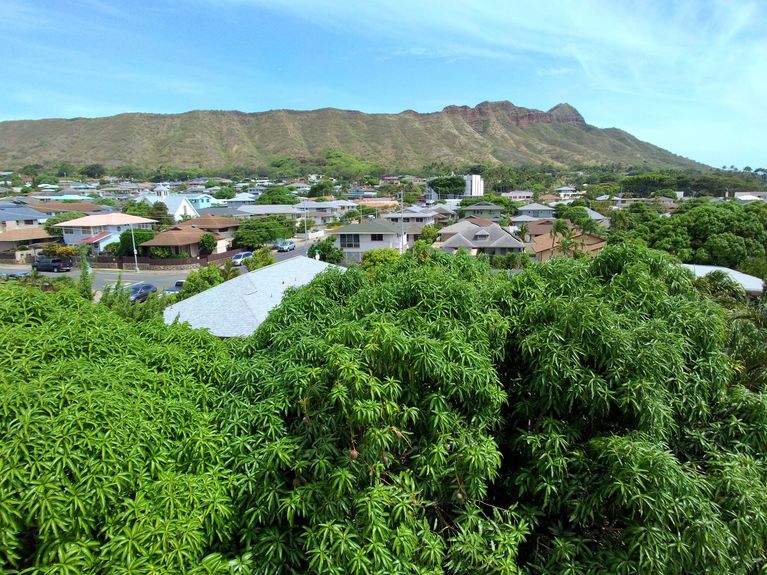
Residential development filled in largely from the 1920s through the 1960s. Many of those homes were modest houses on modest lots that families expanded and adapted over generations. That history is still visible in the valley today.

The valley's name comes from pālolo, meaning clay. Its two main streams, Waiʻōmaʻo and Pūkele, descend from the upper valley and join to form Pālolo Stream.

View Pālolo Valley Homes

How the area is organized

More than one Pālolo Valley.

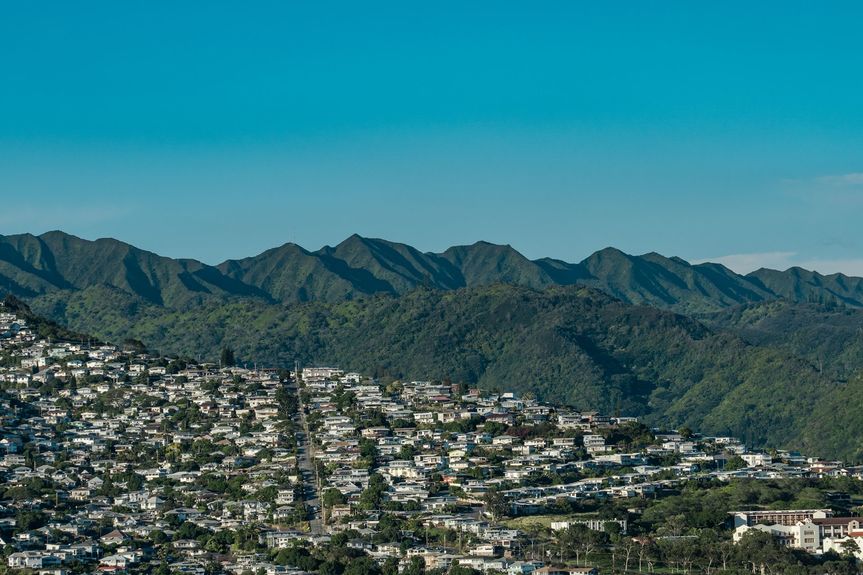
Pālolo changes considerably as you move up the valley. Lower Pālolo near 10th Avenue is flatter, denser, and easier to navigate on foot. Farther mauka, Waiʻōmaʻo and Pūkele become greener, wetter, steeper, and quieter. The right way to evaluate a property here is by the specific block, not simply by the neighborhood name.

Living here

What daily life looks like in Pālolo Valley.

Pālolo feels residential and established while remaining close to Kaimukī, the University of Hawaiʻi, Kāhala, Waikīkī, and Downtown. The valley has its own community institutions, parks, and small commercial pocket, while much of the broader dining and shopping activity is only a few minutes away.

Dining & shopping

The 10th Avenue commercial pocket provides everyday options, while Kaimukī's Waiʻalae Avenue is close by for a much larger selection of restaurants and businesses.

Outdoors

Pālolo Valley District Park provides a major community gathering space and swimming pool. The Kaʻau Crater trail begins toward the back of the valley and is a steep, demanding hike rather than a casual family walk. 

Getting around

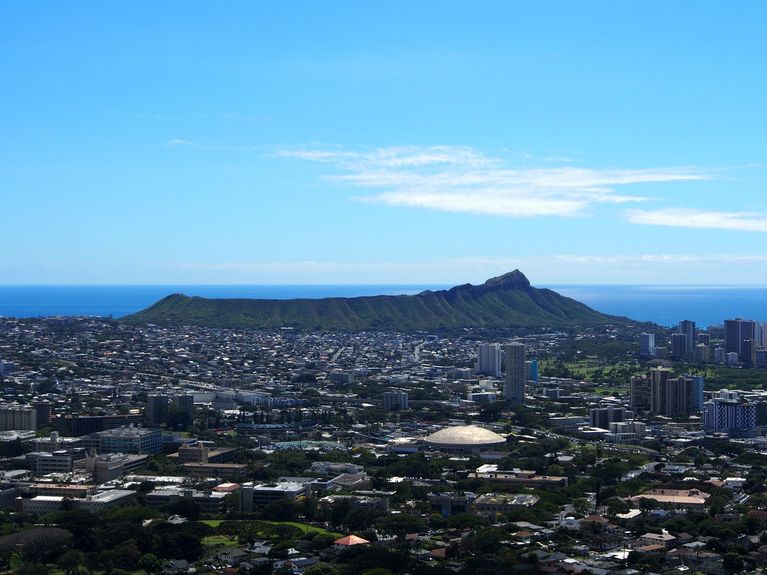
Pālolo is centrally located, with Kaimukī and the University of Hawaiʻi immediately nearby and relatively short drives to Waikīkī, Kāhala, and Downtown.

Schools

Pālolo Elementary and Jarrett Middle School serve the valley, but school assignment should always be confirmed by property address with the Hawaiʻi DOE School Locator.

Before you buy

What to know about buying in Pālolo Valley.

Pālolo can offer more flexibility than many nearby neighborhoods, particularly for multigenerational living and ADUs. But the same older housing stock, streams, additions, and valley geography make property-level due diligence especially important.

  • Flood & Stream Proximity
    Check the FEMA flood zone, flood insurance requirements, and drainage on any property near a channelized stream.
  • Permits
    Compare the permit record with every part of the physical house, including additions, downstairs units, enclosed carports, and decks.
  • ADU Feasibility
    Confirm current zoning, lot size, setbacks, parking, sewer capacity, and City requirements before assuming an ADU can be built.
  • Existing Second Units
    An existing second unit is not necessarily a permitted ADU. Verify its permit history because unpermitted space can affect financing, insurance, appraisal, and rental use.
  • Soil & Drainage
    Pālolo's clay soil, valley slopes, retaining walls, and drainage systems deserve careful attention, particularly on upper lots.
  • Older Systems
    Single-wall construction, older electrical, galvanized plumbing, termite history, and post-and-pier foundations are common in older valley homes. Budget accordingly.
  • Rentals
    Rentals under 30 days are not permitted in residential zones without a nonconforming use certificate. Rules for 30- to 89-day rentals are still in flux, so verify for the specific property.
  • School Assignment
    School eligibility is determined by address. Confirm the current assignment with the Hawaiʻi DOE School Locator.
Begin a Conversation

The market

A closer look at the market in Pālolo Valley.

Market conditions change. The figures below are a starting point. If you would like the full picture for a specific street or property, ask me.

Begin a Conversation

Population

Loading

Med. Selling price

$0

Recent Sales

Loading

Active Listings

Loading

Schools in the area.

If schools are part of your home search, explore the schools and educational options associated with Pālolo Valley.
Questions worth asking

Pālolo Valley real estate FAQ.

A few practical questions buyers often have before they start narrowing down properties in Pālolo Valley.

No. 10th Avenue is the boundary. Everything mauka of 10th Avenue is Pālolo; Kaimukī is makai and toward Diamond Head. They are separate markets with separate comparable sales.

Many lots may support one, but feasibility depends on the specific property. Confirm zoning, lot size, setbacks, parking, utilities, and current City requirements before purchasing on that assumption.

Parts of the valley are in mapped flood zones, and the channelized streams can rise quickly during heavy rain. Check the FEMA zone, insurance cost, and drainage conditions for the specific property.

The housing stock is older and generally consists of smaller homes on smaller lots, with less prestige attached to the address and more variation from block to block.

They are common in the valley. An unpermitted unit can affect appraisal, insurance, financing, and your ability to legally rent it. The permit history should be compared with the actual structure before removing contingencies.

Pālolo is centrally located, with Kaimukī and the University of Hawaiʻi immediately adjacent and Waikīkī, Kāhala, and Downtown within short driving distance.

Continue exploring

Places near Pālolo Valley.

If Pālolo Valley is close to what you're looking for, these nearby neighborhoods may be worth exploring as well.