



Welcome to Haleʻiwa

Living in Haleʻiwa.

North Shore neighborhood guide.

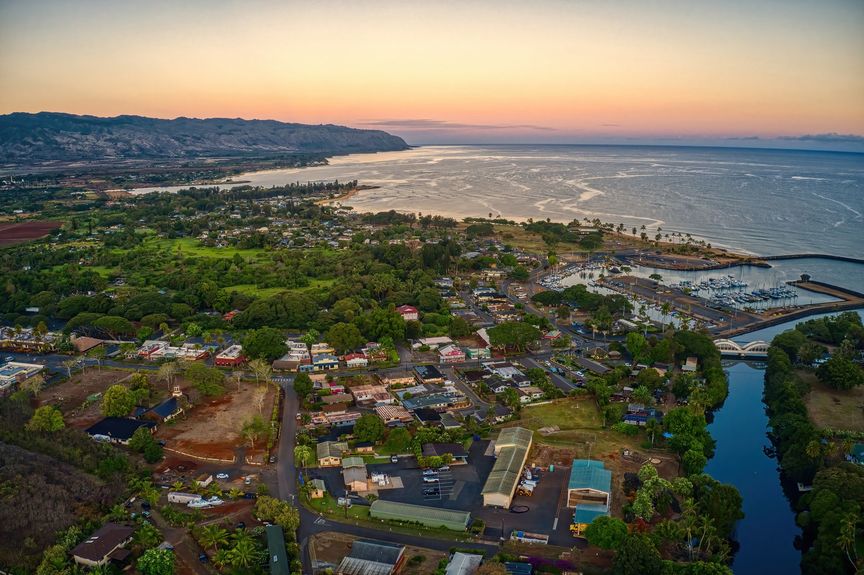
Haleʻiwa is the North Shore's historic town, centered around Kamehameha Highway and the mouth of the Anahulu River. It remains a working small town with a harbor, grocery, school, local businesses, and residential streets behind the historic core. Buyers come for that everyday connection to the North Shore and its water, but properties here require a careful look at flooding, shoreline exposure, design rules, and rental restrictions.

View Haleʻiwa Homes
Begin a Conversation

Haleʻiwa

Location
North Shore Oʻahu, around the mouth of the Anahulu River.

Location

ZIP Code
96712

ZIP Code

Housing
Single-family homes, older plantation-era properties, newer infill, and beachfront residences.

Housing

Tenure
Primarily fee-simple residential property.

Tenure

Landmark
Haleʻiwa Town and Anahulu River.

Landmark

Rentals
Rentals under 30 days are not permitted in residential zones without a nonconforming use certificate. Rules for 30- to 89-day rentals are still in flux, so verify for the specific property.

Rentals

Climate
North Shore coastal climate with significant winter surf and rainfall.

Climate

Geography
Historic town between the Anahulu River, coastline, and former plantation lands.

Geography

The place

A town that grew around a hotel.

Before Haleʻiwa became a town, the area was part of Waialua's sugar country. On August 5, 1899, Benjamin Dillingham's Oʻahu Railway & Land Company opened the Haleʻiwa Hotel at the end of its railway line, creating a destination that brought visitors to the North Shore.

Businesses grew around the hotel, and the name remained long after the building itself was gone. The hotel later became a beach club and then an Army officers' club before closing in 1943 and eventually being demolished. Haleʻiwa Joe's now occupies the site.

The surf culture that developed during the 1950s and 1960s helped shape the town's modern identity. The City later established the Haleʻiwa Special District to protect the scale and appearance of the historic core.

View Haleʻiwa Homes

How the area is organized

More than one Haleʻiwa.

Haleʻiwa is more than the storefronts along Kamehameha Highway. The town includes a historic commercial core, the harbor and beach parks, residential streets extending inland, and the coastal stretch of Kawailoa to the north. Each has a different relationship to the water and to the town's historic character.

Living here

What daily life looks like in Haleʻiwa.

Haleʻiwa has something many North Shore communities do not: a genuine town center where everyday errands, dining, recreation, and community life happen within a relatively compact area. The rhythm changes with the seasons, though. Weeknights can be quiet, while winter weekends and surf events can bring significant traffic through town.

Dining & shopping

A grocery, hardware store, post office, banks, restaurants, and local shops are all within the broader town area. Haleʻiwa's commercial core remains closely tied to the historic character of the community.

Outdoors

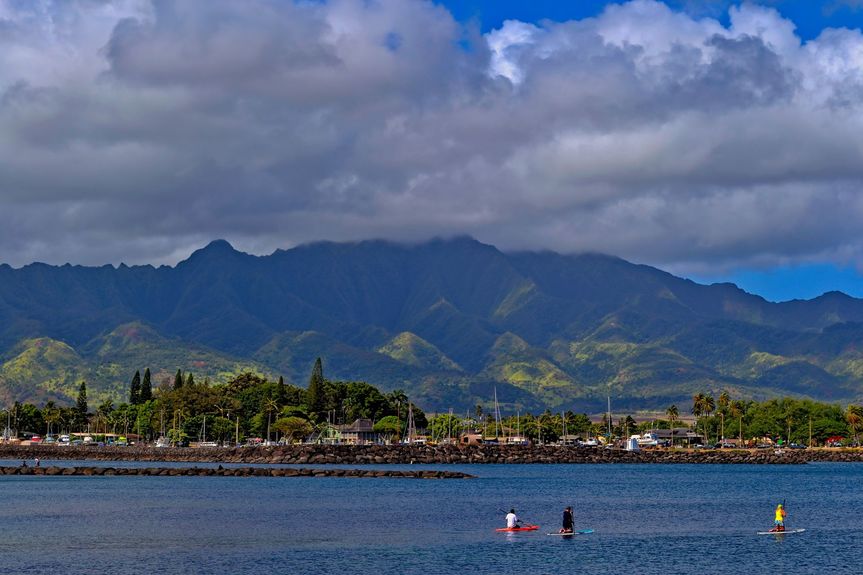
Haleʻiwa Aliʻi Beach Park, the harbor, and Anahulu River provide access to the water close to town. The North Shore's larger surf beaches are also within easy reach, making the coastline a central part of everyday life.

Getting around

Haleʻiwa is roughly an hour from Honolulu by H-2 and Kamehameha Highway without traffic and considerably longer during busy periods. Kamehameha Highway is the only coastal route north, so closures can affect the entire North Shore.

Schools

Haleʻiwa Elementary is located in town, while Waialua High & Intermediate serves the broader area. School assignment should be confirmed for the specific property.

Before you buy

What to know about buying in Haleʻiwa.

Haleʻiwa's character is part of its appeal, but some of the same conditions that preserve that character can affect ownership. Flooding, shoreline rules, historic design requirements, wastewater systems, permits, and rental eligibility should all be reviewed before you commit.

  • Flood zone
    Low-lying areas near the river and shoreline can be exposed to flooding and tsunami risk. Check the maps for the specific lot and obtain an insurance quote early.
  • Shoreline
    For beachfront property, review the certified shoreline, setbacks, erosion history, and permits for existing shoreline structures.
  • Wahiawā Dam
    Confirm whether the property falls within the dam evacuation zone and understand the current status of the rehabilitation work.
  • Special District
    If the property is within the Haleʻiwa Special District, review the design guidelines before planning an addition, exterior change, or rebuild.
  • Wastewater
    Many properties use cesspools. Understand the property's current wastewater system and plan for future conversion requirements.
  • Permits
    Older homes can contain additions or alterations that are not reflected in the permit record. Compare the property's history with what is actually built.
  • Rental history
    If a property has been marketed as a vacation rental, confirm that it has the legal authorization required to operate that way.
Begin a Conversation

The market

A closer look at the market in Haleʻiwa.

Market conditions change. The figures below are a starting point. If you would like the full picture for a specific street or property, ask me.

Begin a Conversation

Population

Loading

Med. Selling price

$0

Recent Sales

Loading

Active Listings

Loading

Schools in the area.

If schools are part of your home search, explore the schools and educational options associated with Haleʻiwa.
Questions worth asking

Haleʻiwa real estate FAQ.

A few practical questions buyers often have before they start narrowing down properties in Haleʻiwa.

Generally not. Haleʻiwa is outside resort zoning, and rentals of fewer than 30 days require a valid nonconforming use certificate. Very few properties have one, so rental eligibility should always be verified for the specific property.

The drive is roughly an hour without traffic and can be considerably longer on winter weekends or during major surf events.

It is a City overlay governing the scale and appearance of development and exterior changes within the historic core. The guidelines address elements such as height, scale, materials, and signage.

Parts of Haleʻiwa are, particularly near the river and shoreline. Flood exposure varies by property, so the maps should be checked for the specific lot.

Yes. Life in Haleʻiwa also revolves around the harbor, paddling the Anahulu River, fishing, local businesses, and the small-town routine that attracts many full-time residents.

Continue exploring

Places near Haleʻiwa.

If Haleʻiwa is close to what you're looking for, these nearby neighborhoods may be worth exploring as well.