



Welcome to Nuʻuanu & Lower Nuʻuanu

Living in Nuʻuanu & Lower Nuʻuanu.

Honolulu & Town neighborhood guide.

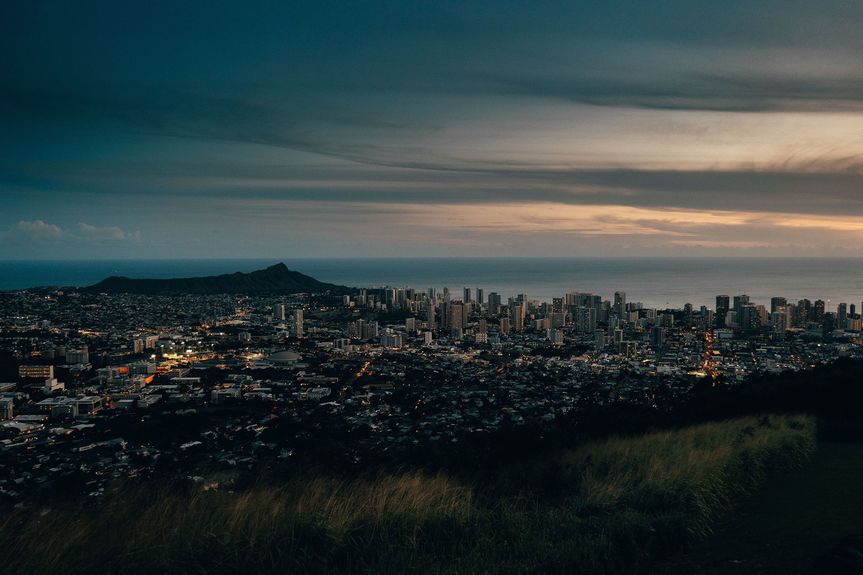
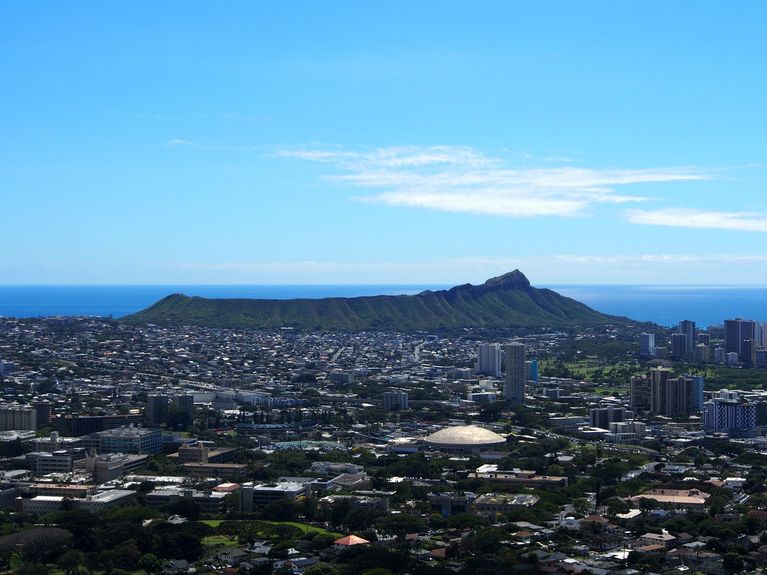
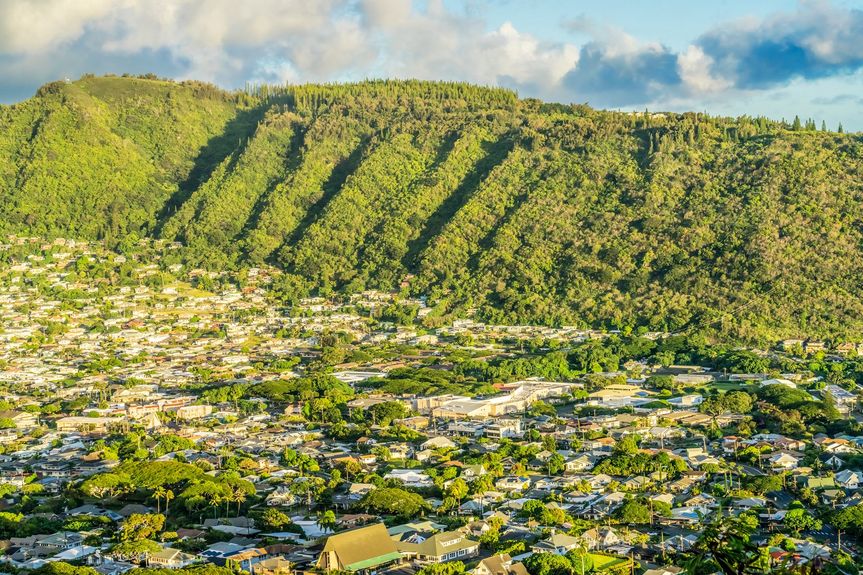
Nuʻuanu climbs from the edge of Downtown Honolulu into a cool, green valley that reaches the Pali cliffs. Historic estates, older homes, cottages, condos, and three distinctive view ridges share the same valley, but the experience changes considerably with elevation. Lower Nuʻuanu puts Downtown and Chinatown within easy reach, while Upper Nuʻuanu and the ridges offer more space, views, greenery, and a quieter residential setting.

View Nuʻuanu & Lower Nuʻuanu Homes
Begin a Conversation

Nuʻuanu & Lower Nuʻuanu

Location
Mauka of Downtown Honolulu, extending up Nuʻuanu Valley toward the Pali.

Location

ZIP Code
96817

ZIP Code

Housing
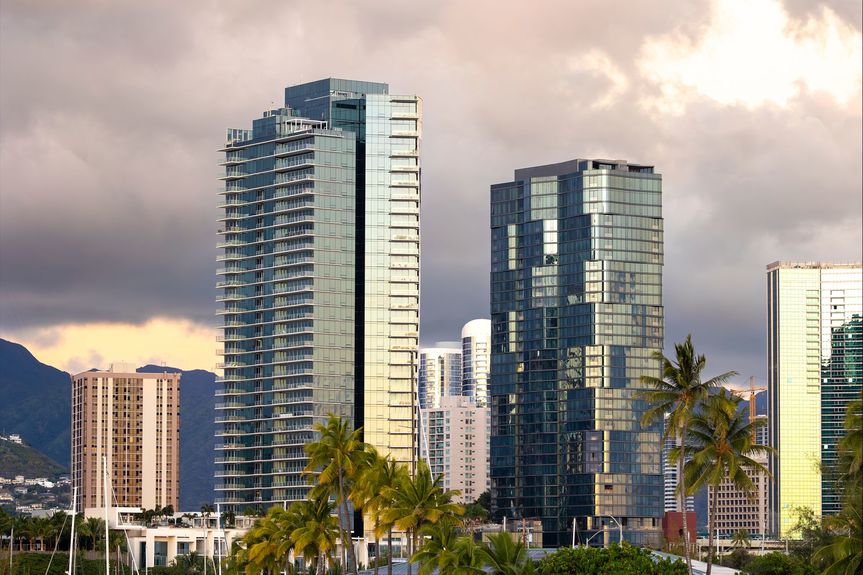
Historic estates, single-family homes, cottages, hillside properties, and mid- and high-rise condos in Lower Nuʻuanu.

Housing

Tenure
Primarily fee-simple residential property; verify tenure and building rules for individual condos.

Tenure

Landmark
Queen Emma Summer Palace • Foster Botanical Garden • Liliʻuokalani Botanical Garden • Oʻahu Country Club • Nuʻuanu Pali Lookout

Landmark

Rentals
Vacation rentals under 30 days are not permitted in residential zones. Check the building rules, subdivision covenants, or CC&Rs for any stricter rental requirements.

Rentals

Climate
Cooler and wetter than town, with rainfall increasing farther up the valley.

Climate

Geography
Valley floor, steep slopes, view ridges, and the Pali corridor.

Geography

The place

A brief history of Nuʻuanu & Lower Nuʻuanu.

Nuʻuanu Valley was farmed in taro for centuries and served as the route over the Koʻolau mountains to the windward side. In 1795, the Battle of Nuʻuanu secured Kamehameha I's control of Oʻahu.

Hawaiian royalty and prominent Honolulu families later established retreats here because of the valley's cooler climate and proximity to town. Queen Emma's Summer Palace, Hānaiakamalama, dates to the 1840s and remains one of Nuʻuanu's best-known landmarks.

Nuʻuanu Avenue eventually became a corridor of estates, churches, temples, and consulates, while the surrounding hills developed into residential neighborhoods.

The ridges have their own chapter in Honolulu's development. In 1899, Charles S. Desky laid out Pacific Heights and built an electric railway to carry prospective buyers up the hillside. The railway opened in 1900, making Pacific Heights one of Honolulu's earliest residential subdivisions — and turning the view itself into part of the sales pitch.

View Nuʻuanu & Lower Nuʻuanu Homes

How the area is organized

More than one Nuʻuanu & Lower Nuʻuanu.

Nuʻuanu is often spoken about as one neighborhood, but elevation changes the housing, climate, views, and daily experience considerably. Lower Nuʻuanu sits close to Downtown and Chinatown. Upper Nuʻuanu becomes greener and more residential. Above and around the valley are three distinct view ridges, each with its own housing stock and character.

Living here

What daily life looks like in Nuʻuanu & Lower Nuʻuanu.

Nuʻuanu gives you proximity to town without requiring you to live in the middle of it. Lower Nuʻuanu is particularly convenient for Downtown and Chinatown, while the upper valley and ridges trade some convenience for more greenery, privacy, elevation, and views.

Dining & shopping

Neighborhood options are smaller than in Downtown or Kaimukī, but Nuʻuanu Avenue and nearby Liliha have established local businesses. 

Outdoors

Foster Botanical Garden, Liliʻuokalani Botanical Garden, Nuʻuanu Valley Park, the Pali Lookout, Judd Trail, and upper-valley watershed trails give residents access to green space without leaving the neighborhood.

Getting around

Lower Nuʻuanu is close enough to Downtown and Chinatown to walk from some parts of the neighborhood. The Pali Highway provides a direct connection toward Kailua and the windward side. 

Schools

Several public and private schools serve the valley. School assignments should be confirmed by address using the Hawaiʻi DOE School Locator rather than assumed from the neighborhood name.

Before you buy

What to know about buying in Nuʻuanu & Lower Nuʻuanu.

The biggest differences here are often physical rather than obvious from an MLS listing. Rainfall, elevation, slopes, wastewater systems, historic status, and access can materially affect ownership.

  • Drainage & Moisture
    Rainfall increases with elevation. Check drainage, roof condition, mold, mildew, and termite history, particularly in Upper Nuʻuanu.
  • Wastewater
    Confirm whether the property is connected to City sewer, septic, or a cesspool. Older properties and hillside areas may require additional due diligence.
  • Slopes & Retaining Walls
    Steep lots, retaining walls, drainage systems, and hillside access should each be inspected carefully before you buy.
  • Historic Properties
    Some older homes may have historic designations that affect exterior renovations. Verify the property's status and any applicable restrictions.
  • Permits
    Older homes may have a long history of additions and alterations. Pull the permit record and compare it with the existing structure.
  • Condominium Finances
    For Lower Nuʻuanu condos, review the association budget, reserve study, insurance, and any planned special assessments.
  • Access & Parking
    Some ridge roads, particularly Pacific Heights Road, are narrow and have tight switchbacks. Drive the actual route and check parking, construction, and emergency access.
  • Rental Rules
    Rentals under 30 days are not permitted in residential zones without a nonconforming use certificate. Rules for 30- to 89-day rentals are still in flux, so verify for the specific property.
  • Insurance
    For ridge properties, confirm wildfire exposure, available coverage, and premiums early in the buying process.
Begin a Conversation

The market

A closer look at the market in Nuʻuanu & Lower Nuʻuanu.

Market conditions change. The figures below are a starting point. If you would like the full picture for a specific street or property, ask me.

Begin a Conversation

Population

Loading

Med. Selling price

$0

Recent Sales

Loading

Active Listings

Loading

Schools in the area.

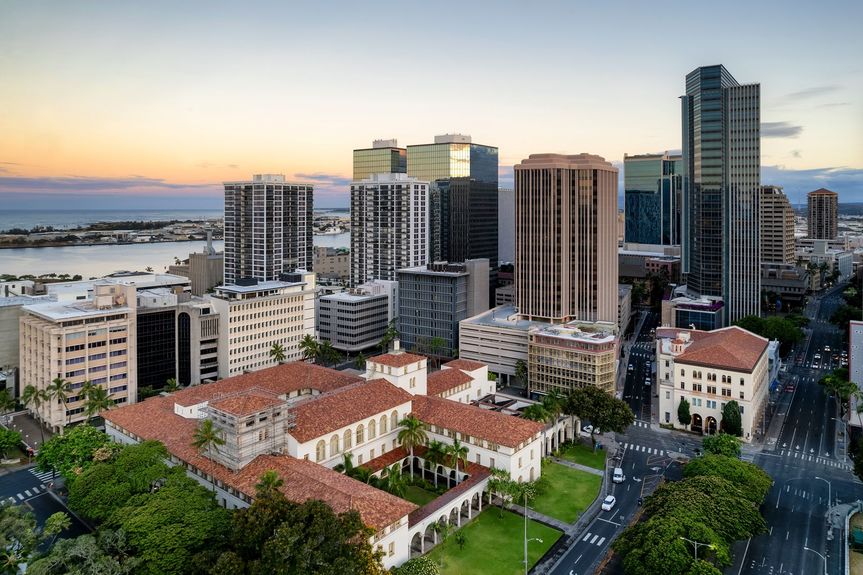
If schools are part of your home search, explore the schools and educational options associated with Nuʻuanu & Lower Nuʻuanu.
Questions worth asking

Nuʻuanu & Lower Nuʻuanu real estate FAQ.

A few practical questions buyers often have before they start narrowing down properties in Nuʻuanu & Lower Nuʻuanu.

Nuʻuanu is commonly translated as “cool heights” or “cool height,” referring to the valley's cooler climate compared with Downtown Honolulu.

Yes. Rainfall increases as you move farther up the valley. Lower Nuʻuanu is relatively dry, while Upper Nuʻuanu and the areas closer to the Pali are wetter and cooler.

Lower Nuʻuanu is closer to Downtown and Chinatown and has more condos, walk-ups, and smaller homes. Upper Nuʻuanu has larger properties, more greenery, cooler temperatures, and more rainfall.

From parts of Lower Nuʻuanu, yes. Downtown, Chinatown, and the harbor are within walking distance. Upper Nuʻuanu is better suited to a short drive or bus ride.

The three main view ridges are Pacific Heights, Alewa Heights, and Dowsett Highlands. They sit above and around Nuʻuanu and offer different combinations of elevation, views, housing stock, and access.

They are specifically known for elevation and city, harbor, and valley views, but views should never be assumed permanent. Buyers should evaluate surrounding lots and vegetation during due diligence.

Continue exploring

Places near Nuʻuanu & Lower Nuʻuanu.

If Nuʻuanu & Lower Nuʻuanu is close to what you're looking for, these nearby neighborhoods may be worth exploring as well.