



Welcome to Downtown & Chinatown

Living in Downtown & Chinatown.

Honolulu & Town neighborhood guide.

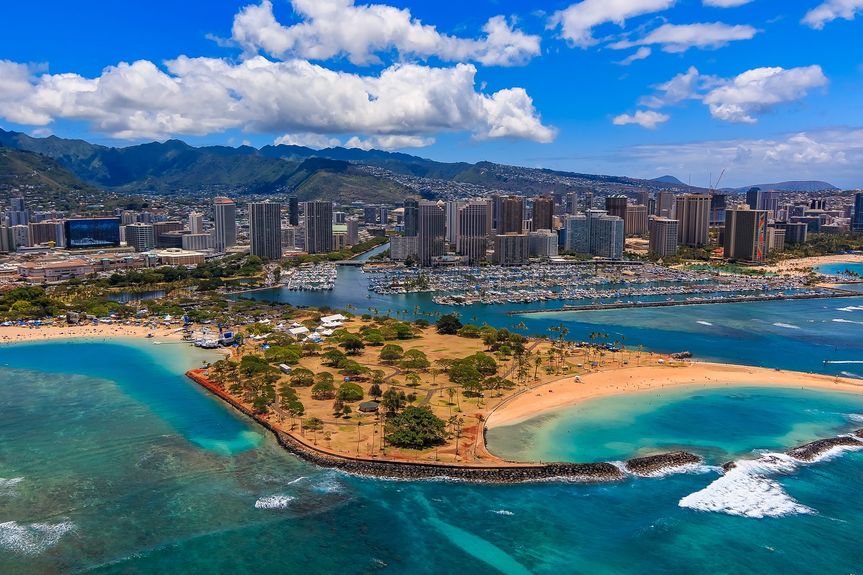
Downtown is where Honolulu began: the harbor, the palace, the Capitol and the oldest working blocks in the state. Chinatown sits on its ʻEwa edge, a grid of markets, lei stands and restaurants rebuilt after the fire of 1900. Living here means high-rise condominiums close to everything, older buildings with real character, and street-level conditions that change block by block. I walk clients through both before we look at a single unit.

View Downtown & Chinatown Homes
Begin a Conversation

Downtown & Chinatown

Location
Honolulu's historic center, between Nuʻuanu Stream and Punchbowl Street, from Vineyard Boulevard to the harbor.

Location

ZIP Code
96813 • 96817

ZIP Code

Housing
High-rise condominiums, a handful of converted office towers, and walk-ups above Chinatown storefronts.

Housing

Tenure
Most condominiums are fee simple; some older buildings still have leasehold units. Verify for the specific unit.

Tenure

Landmark
Bishop Street · Aloha Tower · ʻIolani Palace · Chinatown markets

Landmark

Rentals
Rentals under 30 days are not permitted in residential zones without a nonconforming use certificate. Rules for 30- to 89-day rentals are still in flux, so verify for the specific property.

Rentals

Climate
Warm and mostly dry, with trade winds. Showers drift down from Nuʻuanu Valley in the afternoon.

Climate

Geography
Flat, filled land along Honolulu Harbor, rising gently toward the Capitol District and the slopes of Punchbowl.

Geography

The place

A brief history of Downtown & Chinatown.

The harbor came first. Ships calling at Honolulu Harbor made this shoreline the island's center of trade, and in 1845 Kamehameha III made Honolulu the capital of the Kingdom. Kawaiahaʻo Church (1842), ʻIolani Palace (1882) and Aliʻiōlani Hale still stand within a few blocks of one another in what is now the Capitol District.

Chinatown grew on the ʻEwa side of Nuʻuanu Avenue as plantation workers finished their contracts and opened shops, restaurants and herb stores. Fire took most of it twice: in 1886, and again in January 1900, when a Board of Health burn meant to contain bubonic plague spread out of control. Most of the brick and stone storefronts you see today were built in the two decades that followed, which is why the district reads as one era.

Chinatown is now a National Register historic district, and the Capitol District has its own special-district design rules.

The skyline is newer. Bishop Street filled with office towers from the 1960s on, overtaking Aloha Tower (1926), long the tallest building in the islands, and residential high-rises arrived along the waterfront and the Kukui and Nuʻuanu corridors. Since 2024, several office towers have been converted to apartments, and Downtown is slowly becoming a place people live as well as work.

View Downtown & Chinatown Homes

How the area is organized

More than one Downtown & Chinatown.

Four pockets, each with its own feel and its own buildings. 

Living here

What daily life looks like in Downtown & Chinatown.

Downtown and Chinatown offer one of Oʻahu's most urban ways of living. Work, restaurants, historic landmarks, transit, and everyday services can all be reached without relying on a car for every trip.

Dining & shopping

Chinatown is one of Honolulu's best places to eat, from dim sum and noodle shops to Fête, Senia, Podmore and Giovedi, with Bar Leather Apron and Yours Truly for drinks. Oʻahu Market and Maunakea Marketplace sell fish, produce and roast duck. The monthly First Friday art walk fills the galleries and bars.

Outdoors

Foster Botanical Garden on Vineyard Boulevard, the ʻIolani Palace grounds, the Aloha Tower waterfront, and a short walk to Kakaʻako Waterfront Park and Ala Moana Beach Park.

Getting around

The most walkable part of the island for work, with most of Oʻahu's bus routes passing through. Skyline rail is extending here: the Hōlau (Chinatown) station at Nimitz and Kekaulike and the Kuloloia (Downtown) station at Nimitz and Bishop are scheduled to open in 2031.

Schools

Public school assignment is by address; confirm with the Hawaiʻi DOE school locator. Many Downtown families use private schools in town.

Before you buy

What to know about buying in Downtown & Chinatown.

These are the checks I work through with clients here.

  • Which building, and how old.
    Inventory runs from 1970s towers to recent office conversions. Ask for the reserve study, the reserve funding level, and any special assessments voted or under discussion.
  • Fee simple or leasehold.
    Most units are fee simple, but some older buildings still carry leasehold units. Confirm tenure, the lease end date and the lease rent on the specific unit before you write an offer.
  • Insurance and lending.
    Hawaiʻi's condominium master-policy market has tightened. Confirm the master policy, the deductible, and that the building meets your lender's condominium requirements.
  • Historic-district rules
    Chinatown and the Capitol District have their own design rules. Exterior changes, signage and some renovations need extra review, and older walk-ups can carry code issues.
  • The block, not just the building
    Street conditions change from one block to the next, and Downtown is quiet at night. Walk the block in the evening before you commit. The new Downtown business improvement district, approved in 2025, funds extra cleaning and safety staff from Nuʻuanu Avenue to Richards Street; Chinatown is not part of it.
  • What is changing nearby
    The Chinatown Cultural Plaza is set to be demolished and redeveloped after its leases end in March 2027. Rail construction along Nimitz Highway runs into 2030. Office-to-residential conversions are adding rental homes on Bishop Street.
  • Flood and tsunami exposure
    Low-lying blocks near the harbor and Nuʻuanu Stream can sit in flood and tsunami evacuation zones. Check the FEMA flood map and the state's sea level rise viewer for the specific parcel.
  • Parking
    Deeded, assigned or none. Downtown parking is expensive to add later.
Begin a Conversation

The market

A closer look at the market in Downtown & Chinatown.

Market conditions change. The figures below are a starting point. If you would like the full picture for a specific street or property, ask me.

Begin a Conversation

Population

Loading

Med. Selling price

$0

Recent Sales

Loading

Active Listings

Loading

Schools in the area.

If schools are part of your home search, explore the schools and educational options associated with Downtown & Chinatown.
Questions worth asking

Downtown & Chinatown real estate FAQ.

A few practical questions buyers often have before they start narrowing down properties in Downtown & Chinatown.

Not for under 30 days, outside the few properties with a nonconforming use certificate. Rules for 30- to 89-day rentals are still changing, and many buildings set longer minimums in their house rules.

No. The Kakaʻako district's 180-day minimum applies to Diamond Head of Punchbowl Street. Downtown and Chinatown follow the City's rules.

Most are. Some older buildings still have leasehold units, so confirm tenure on the specific unit.

The Chinatown and Downtown stations are part of Skyline's next segment, scheduled to open in 2031. Until then, the line ends at Middle Street.

For someone who wants to walk to work, restaurants and the theater, yes. It is also a neighborhood in transition, with real street-level challenges. I suggest spending an evening there before deciding.

Continue exploring

Places near Downtown & Chinatown.

If Downtown & Chinatown is close to what you're looking for, these nearby neighborhoods may be worth exploring as well.