



Welcome to Waialua & Mokulēʻia

Living in Waialua & Mokulēʻia.

North Shore neighborhood guide.

Waialua & Mokulēʻia mark one of the quieter and more rural parts of Oʻahu’s North Shore. Waialua grew as a plantation town and still centers on its old mill, residential streets, and surrounding agricultural fields. West of town, Mokulēʻia follows the coast toward Kaʻena Point, with beachfront homes, ranch land, the polo field, and Dillingham Airfield. 

View Waialua & Mokulēʻia Homes
Begin a Conversation

Waialua & Mokulēʻia

Location
North Shore Oʻahu, west of Haleʻiwa.

Location

ZIP Code
96791

ZIP Code

Housing
Plantation-era homes, residential neighborhoods, beachfront homes, agricultural properties, and ranch land.

Housing

Tenure
Fee-simple and CPR properties; agricultural ownership structures vary.

Tenure

Landmark
Old Waialua Sugar Mill.

Landmark

Rentals
Rentals under 30 days are not permitted in residential zones without a nonconforming use certificate. Rules for 30- to 89-day rentals are still in flux, so verify for the specific property.

Rentals

Geography
Waialua town, coastal Mokulēʻia, agricultural plateau, and ranch country extending toward Kaʻena Point.

Geography

The place

From Sugar Country to Small Farms.

Waialua Sugar began in 1865 and shaped the area for more than a century. When the mill closed in 1996, it was among the last sugar operations on Oʻahu.

The former plantation lands gradually moved toward diversified agriculture, including coffee, cacao, seed crops, ranching, and small farms. The old mill found a second life as the Old Waialua Sugar Mill, now home to small businesses, coffee and chocolate makers, surfboard shapers, and a Saturday farmers market.

Much of the former plantation land was eventually divided into agricultural properties, many organized as condominium property regimes. West of Waialua, Mokulēʻia developed along the coast as a quieter mix of ranch land and beachfront properties.

View Waialua & Mokulēʻia Homes

How the area is organized

More than one Waialua & Mokulēʻia.

Waialua & Mokulēʻia are often spoken about as one area, but the experience changes considerably depending on where you are.

Living here

What daily life looks like in Waialua & Mokulēʻia.

Life here is quieter and more rural than much of Oʻahu. The old sugar mill remains a local gathering point, while the coast, polo field, agricultural land, and Kaʻena Point shape much of the area's character.

Dining & shopping

Waialua’s commercial options are small and local. The Old Waialua Sugar Mill has coffee, chocolate, small businesses, and a Saturday farmers market. Paʻalaʻa Kai Bakery and Waialua General Store serve everyday needs.

Outdoors

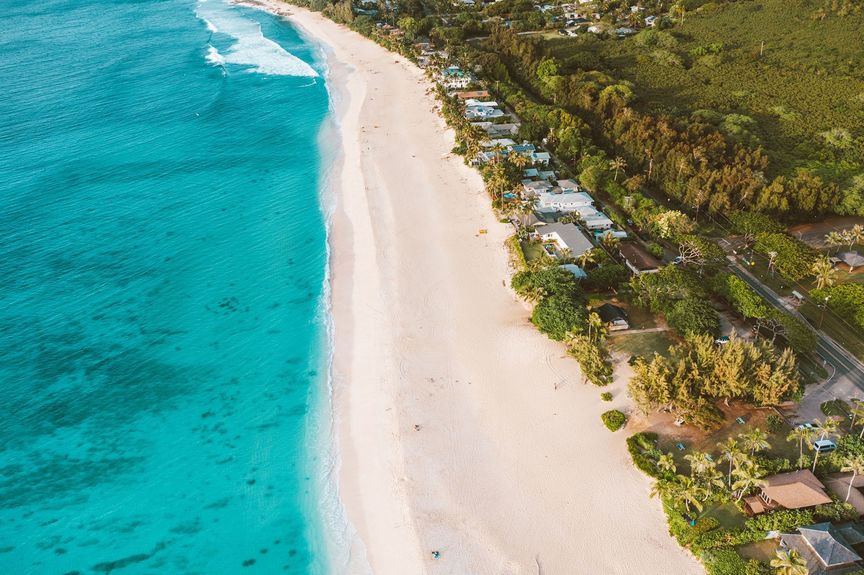
Mokulēʻia offers long, uncrowded beaches and access toward Kaʻena Point. The Hawaiʻi Polo Club has been part of the area since 1963, adding another distinctive part of the North Shore landscape.

Getting around

Waialua is roughly an hour from Honolulu via H-2 through Wahiawā. Mokulēʻia adds more time and has one road in and out. Conditions on the North Shore can make travel considerably longer, particularly when the coastal route is affected.

Schools

Local schools include Waialua Elementary and Waialua High & Intermediate.

Before you buy

What to know about buying in Waialua & Mokulēʻia.

Agricultural property can be one of the most compelling opportunities on the North Shore, but it is also one of the easiest purchases to misunderstand. A house on agricultural land does not automatically mean the property can be used like an ordinary residential lot. Before making an offer, understand the zoning, ownership structure, permits, agricultural use, access, water, wastewater, and any shoreline or environmental considerations that apply to the property.

  • Zoning and use
    Confirm the zoning, permitted uses, and whether a dwelling is allowed on the specific property.
  • CPR documents
    If the property is a condominium property regime unit, review the declaration, bylaws, and limits on building, farming, and rentals.
  • Permit history
    Compare permits with what is actually built and understand the potential cost of legalizing unpermitted structures.
  • Water, access & roads
    Confirm the water source and capacity, legal access, and who is responsible for road maintenance.
  • Shoreline
    For Mokulēʻia beachfront property, review the certified shoreline, setbacks, erosion history, and existing shoreline structures.
  • Wastewater
    Identify the property's wastewater system and budget for required cesspool conversion or closure.
  • Wahiawā Dam
    Check whether the property sits within the dam's evacuation zone and understand the current rehabilitation status.
  • Wildfire
    Dry pasture and brush surround much of the area, so review defensible space and insurance availability early.
Begin a Conversation

The market

A closer look at the market in Waialua & Mokulēʻia.

Market conditions change. The figures below are a starting point. If you would like the full picture for a specific street or property, ask me.

Begin a Conversation

Population

Loading

Med. Selling price

$0

Recent Sales

Loading

Active Listings

Loading

Schools in the area.

If schools are part of your home search, explore the schools and educational options associated with Waialua & Mokulēʻia.
Questions worth asking

Waialua & Mokulēʻia real estate FAQ.

A few practical questions buyers often have before they start narrowing down properties in Waialua & Mokulēʻia.

A farm dwelling may be allowed in connection with agricultural use, subject to zoning, permits, and any CPR rules. What is permitted depends on the specific property.

A CPR agricultural lot is a unit within a condominium property regime rather than a separately subdivided lot. The declaration, bylaws, and shared obligations can affect what you are able to build and how you can use the property.

They are common enough to require careful attention. Legalizing an unpermitted structure can be costly and is not always possible, so the permit history should be understood before making an offer.

Waialua is roughly an hour from Honolulu via H-2 and Wahiawā, with travel from Mokulēʻia taking longer.

Rentals of fewer than 30 days are not permitted outside resort zoning, and agricultural properties have additional restrictions. Confirm the rules for the specific property before relying on rental income.

Continue exploring

Places near Waialua & Mokulēʻia.

If Waialua & Mokulēʻia is close to what you're looking for, these nearby neighborhoods may be worth exploring as well.