



Share My QR |
|
Success!
Welcome to Ala Moana
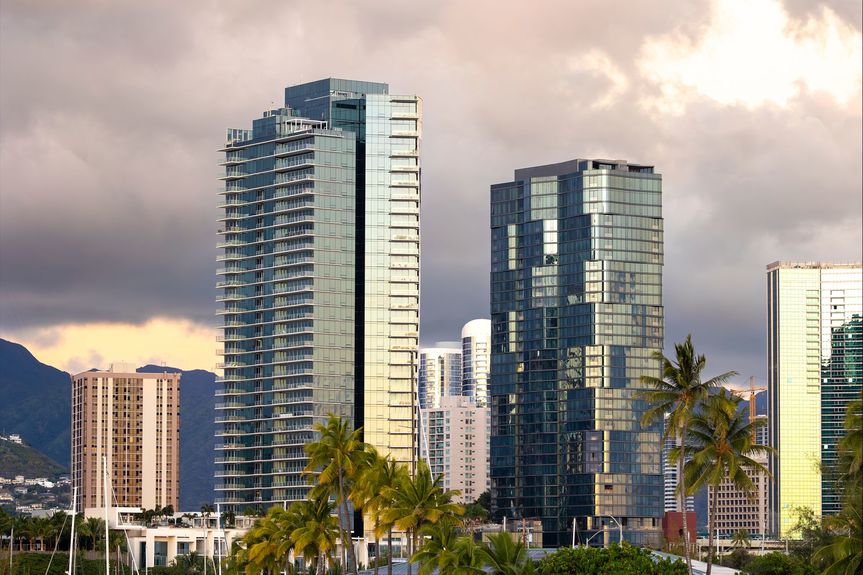
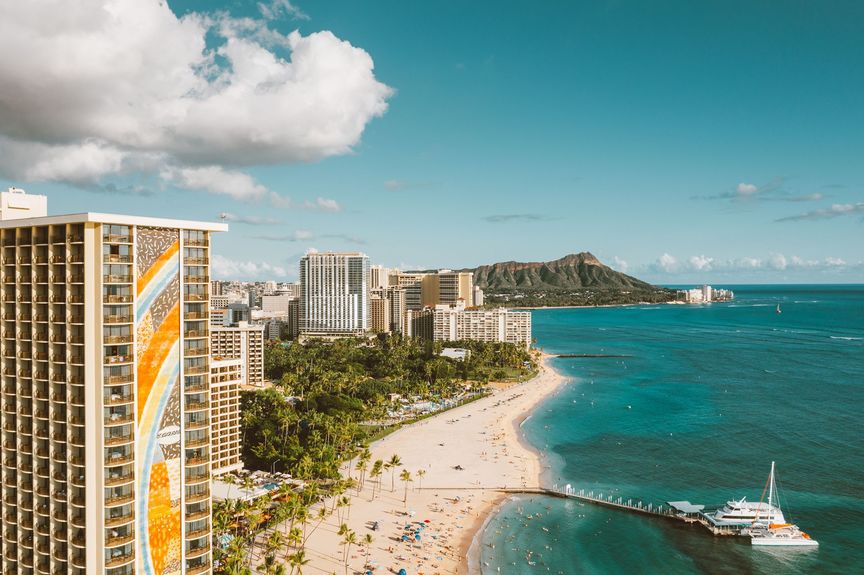
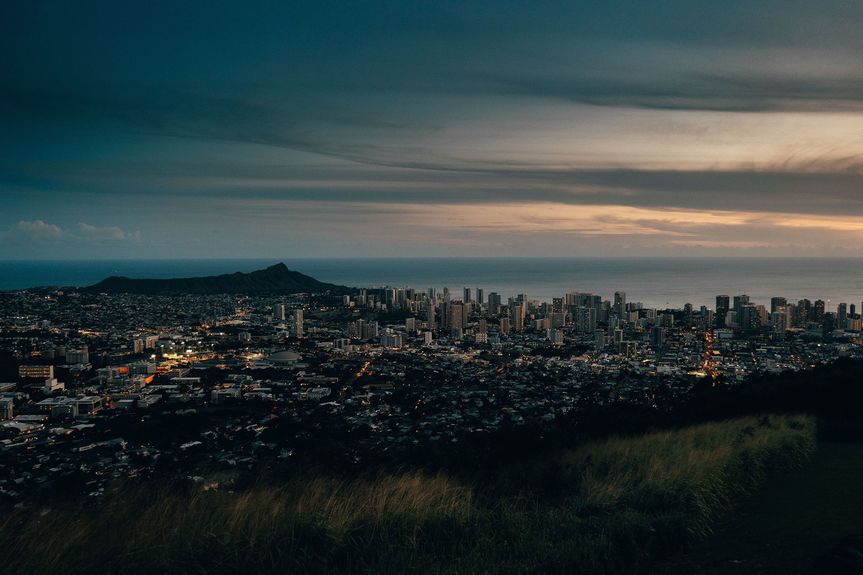
Ala Moana occupies a narrow stretch between Kakaʻako and Waikīkī, with Ala Moana Beach Park on one side and one of the world’s largest open-air shopping centers on the other. It offers a genuine middle ground: urban and walkable, but with a hundred acres of park, a mile of sand, and a rental environment that works differently from neighboring Kakaʻako.


The place
Ala Moana was largely created through land reclamation. The shoreline between Kakaʻako and Waikīkī was once reef flat, fishponds, duck ponds, marsh, and eventually a garbage dump. During the 1920s and 1930s, dredge material from the Ala Wai Canal and harbor projects was used to fill the area and rebuild the shoreline as parkland.
Ala Moana Park opened in 1934 as a Depression-era public works project. The reef was dynamited and dredged to create the swimming channel that still gives the beach its unusually calm water.
ʻĀina Moana, commonly known as Magic Island, was added in the 1960s as additional fill. Originally intended for a resort hotel development that never happened, the land was ultimately retained as public parkland.
Then came Ala Moana Center. Opened in 1959 with 680,000 square feet, 87 stores, and 4,000 parking stalls, it was the largest shopping center in the United States at the time. The neighborhood developed around it, first with mid-century apartment buildings and later with the residential towers that define much of Ala Moana today.
How the area is organized
Ala Moana is often spoken about as one neighborhood, but the experience changes considerably depending on which part of it you are in.


Living here
Ala Moana makes daily life unusually convenient for Honolulu. The beach, park, shopping, groceries, dining, medical services, and one of Oʻahu’s busiest transit hubs are all concentrated within a walkable area. The experience is distinctly urban, but the park and shoreline keep it connected to the outdoors.
Ala Moana Center functions as more than a traditional shopping mall. It includes hundreds of shops, restaurants, groceries, medical and dental offices, a movie theater, and major everyday services.
Ala Moana Beach Park is the neighborhood's defining outdoor asset. Its protected swimming channel, beach, tennis courts, banyan shade, and Magic Island peninsula make it an everyday resource for residents rather than simply a visitor destination.
The Ala Moana Transit Center is Oʻahu's busiest bus hub, with routes reaching nearly every part of the island. Waikīkī is roughly a twenty-minute walk or a short ride, while Downtown is about ten minutes by car outside peak traffic.
School assignment is determined by the specific property's address and the Department of Education. Buyers should verify the current assigned schools for any property rather than relying on neighborhood-level assumptions.
Before you buy
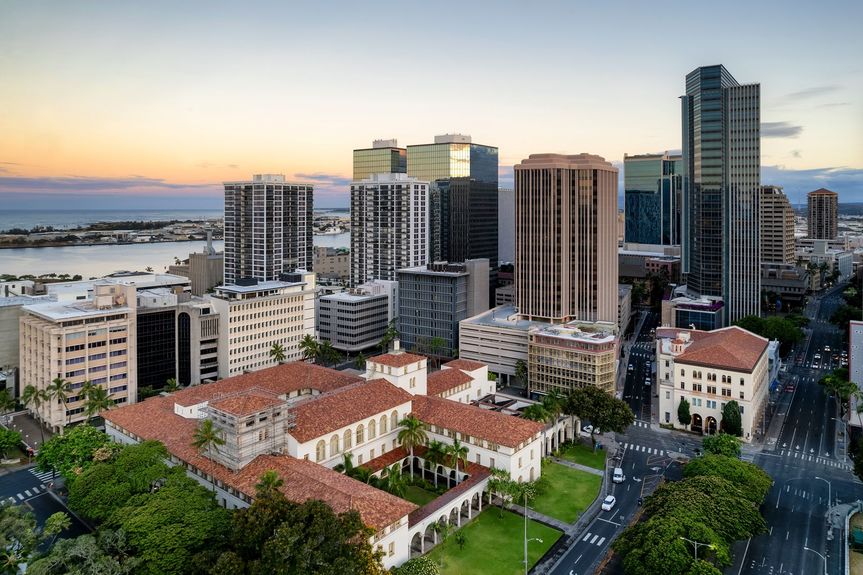
Ala Moana can look remarkably similar to Kakaʻako from the street, but the rules governing the two areas are different. The Piʻikoi Street boundary, building-specific rental rules, ownership structure, insurance, reserves, and surrounding development all deserve attention before you commit to a property.
The market
Market conditions change. The figures below are a starting point. If you would like the full picture for a specific street or property, ask me.
Questions worth asking
A few practical questions buyers often have before they start narrowing down properties in Ala Moana.
Generally yes. Ala Moana sits outside the HCDA's Kakaʻako district, so the City and County's 30-day minimum applies rather than Kakaʻako's 180-day rule. Your building's house rules may be stricter, so confirm them for the specific unit.
Piʻikoi Street is the key boundary. Kakaʻako is a state redevelopment district governed by the HCDA with a 180-day rental minimum, while Ala Moana is governed by ordinary City zoning with a 30-day minimum. They may look similar, but they underwrite differently.
No. Neiman Marcus closed on May 16, 2026, and Saks Fifth Avenue closed in February 2026. Brookfield has said it is planning a new use for the ocean-facing anchor space but has not announced the replacement.
Not as part of the currently funded project. The funded line is planned to end at the Kaʻākaukukui (Civic Center) station in Kakaʻako, targeted for March 2031. The Ala Moana station has been deferred to a future phase with no committed opening date.
It is one of the few places in Hawaiʻi where that can genuinely work. Groceries, medical services, retail, the beach, and the island's main bus hub are all within walking distance, and many residents can manage with one car rather than two.
Honolulu assesses residential property by class, and the rate depends on use, assessed value, and whether you claim a home exemption. Non-owner-occupied and high-value residential classes carry higher rates. Confirm the current classification and rate with the City's Real Property Assessment Division for the specific property.
Continue exploring
If Ala Moana is close to what you're looking for, these nearby neighborhoods may be worth exploring as well.
Considering Ala Moana?
Thinking about buying or selling in Ala Moana? Tell me what draws you here and what you already know. I'll help you understand the neighborhood, the local market, and the details worth checking before you decide.
Share My QR |
|