



Welcome to Kapolei & Makakilo

Living in Kapolei & Makakilo.

Leeward & West neighborhood guide.

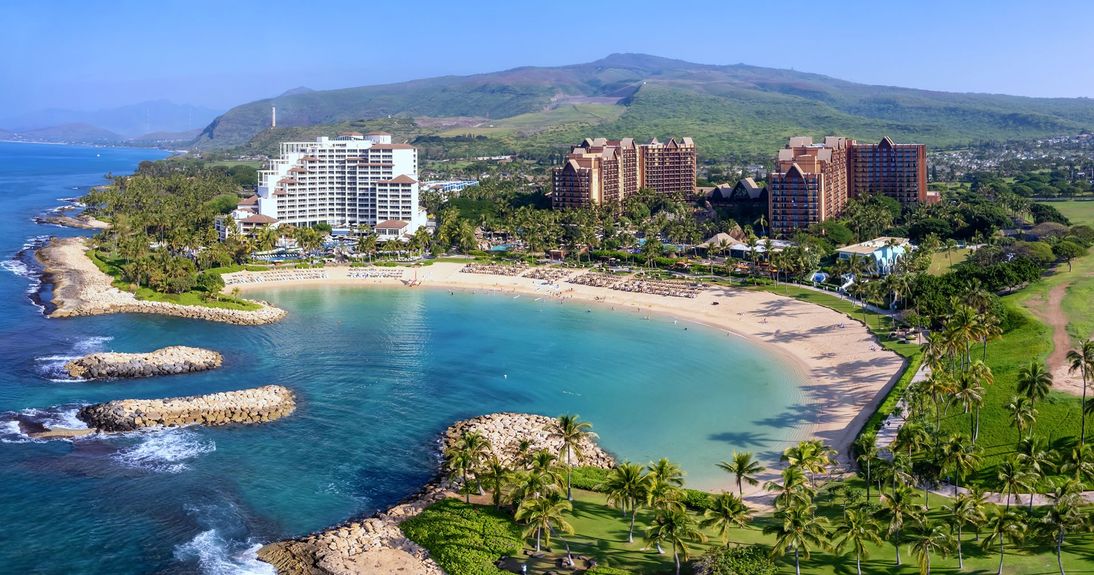
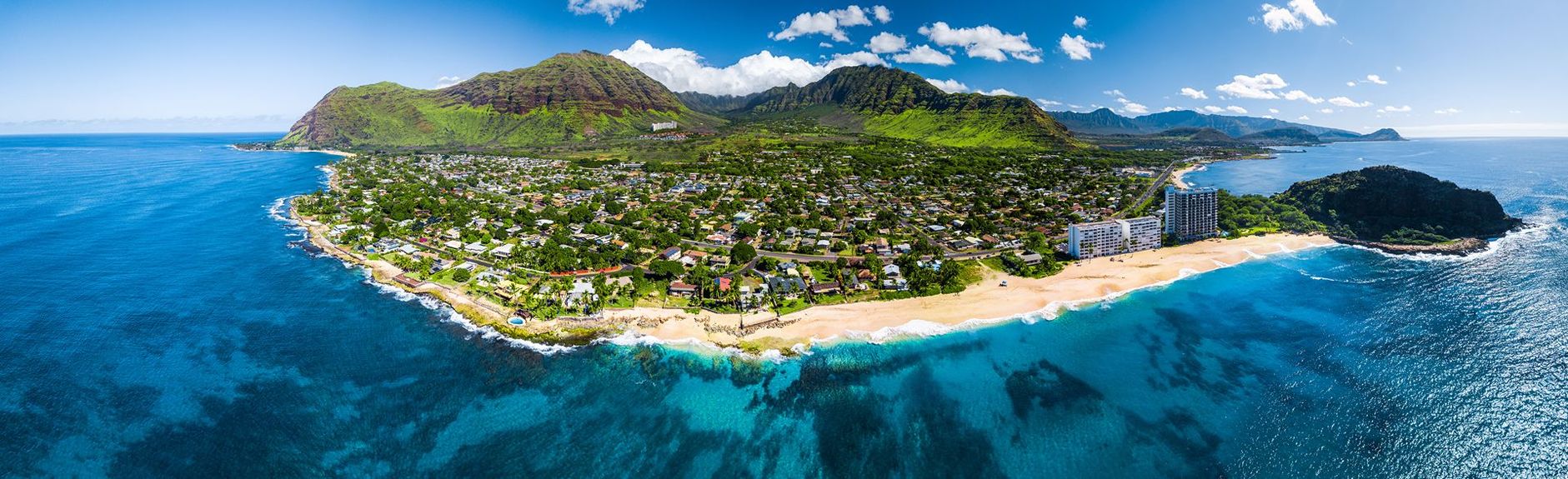
Kapolei is Oʻahu’s planned second city, built across former sugar fields with homes, shopping, government offices, schools, and rail connections designed around a growing community. Above it, Makakilo climbs the slopes of the Waiʻanae range, offering older neighborhoods, newer hillside homes, cooler evenings, and expansive views. 

View Kapolei & Makakilo Homes
Begin a Conversation

Kapolei & Makakilo

Location
Western Oʻahu, with Kapolei occupying the western ʻEwa plain and Makakilo rising mauka of H-1 on the Waiʻanae range.

Location

ZIP Code
96707

ZIP Code

Housing
Single-family homes, townhomes, planned communities, hillside residences, and newer master-planned developments.

Housing

Tenure
Primarily fee-simple, although some older Makakilo properties have leasehold history and some Department of Hawaiian Home Lands properties are restricted leaseholds.

Tenure

Landmark
Kapolei Hale, Ka Makana Aliʻi, UH–West Oʻahu, Fort Barrette, and the Skyline rail stations.

Landmark

Rentals
Rentals under 30 days are not permitted in residential zones without a nonconforming use certificate. Rules for 30- to 89-day rentals are still in flux, so verify for the specific property.

Rentals

Climate
Hot, dry, and sunny across Kapolei, with cooler and windier conditions at higher elevations in Makakilo.

Climate

Geography
Kapolei sits on the relatively flat ʻEwa plain below H-1; Makakilo rises quickly above it, with elevation bringing views, wind, and cooler evenings.

Geography

The place

How Kapolei became Oʻahu’s second city.

The ʻEwa plain was shaped by agriculture long before Kapolei was built. James Campbell assembled much of the land in the late nineteenth century, and sugar and pineapple farming defined the area for generations.

A master plan for Kapolei was first drafted in 1955, and the 1977 Oʻahu General Plan formally identified it as the island’s second urban center. Residential construction began in the late 1980s, followed by Kapolei Hale in 2001, the University of Hawaiʻi–West Oʻahu campus in 2012, and Ka Makana Aliʻi in 2016.

Makakilo developed earlier, with lower neighborhoods beginning in the 1960s on Campbell Estate land. Construction moved farther up the hillside over time, with many of the larger and newer neighborhoods built after 2000.

View Kapolei & Makakilo Homes

How the area is organized

More than one Kapolei & Makakilo.

Kapolei and Makakilo are often discussed together, but the experience changes considerably depending on whether you are below or above H-1, and which community you call home.

Living here

What daily life looks like in Kapolei & Makakilo.

Daily life here is built around convenience, space, and access to the west side's growing network of amenities. Kapolei has shopping, services, government offices, education, recreation, and rail connections close at hand, while Makakilo adds elevation, views, and a different climate. The tradeoff is distance from Honolulu and, for many residents, a commute that still needs to be considered carefully.

Dining & shopping

Ka Makana Aliʻi, Kapolei Commons, and Kapolei Marketplace handle most everyday shopping and services. Restaurants range from neighborhood staples such as Kalapawai Café & Deli and Broke Da Mouth Grindz to newer options at Ka Makana Aliʻi.

Outdoors

Kapolei Golf Course, Wet ’n’ Wild, nearby Ko Olina lagoons, and the trails toward Palehua provide options for recreation. The higher elevations of Makakilo also offer a noticeably different outdoor experience.

Getting around

H-1 remains the main connection to Honolulu and can be heavily congested during peak hours. Skyline now connects East Kapolei to Middle Street, with stations at Kualakaʻi, Keoneʻae, and Honouliuli. Service to Downtown and Civic Center is scheduled for 2031.

Schools

Kapolei and Makakilo are served by public schools throughout the surrounding communities, including UH–West Oʻahu. School assignments are property-specific, so buyers should verify the current assignment for any home they are considering.

Before you buy

What to know about buying in Kapolei & Makakilo.

Two homes at a similar price can have very different ownership costs here. Association structures, tenure, elevation, weather exposure, planned development, and the commute all deserve attention before you compare one property with another.

  • Every association
    Identify both master and subdivision associations, then review their budgets, reserve studies, design rules, and combined dues.
  • Tenure
    Confirm fee-simple ownership, particularly with older Makakilo homes, and determine whether the property is part of the Department of Hawaiian Home Lands.
  • Elevation & exposure
    Upper Makakilo trades some of Kapolei’s heat for wind. Check the roof, windows, lanai covers, and drainage for the property's specific exposure.
  • Wildfire risk
    Dry slopes above the plain can be vulnerable to brush fires. Review defensible space, roof materials, and insurance costs early.
  • Planned development
    East Kapolei and areas around the rail stations continue to develop. Check what is entitled or planned next to the property.
  • Solar
    Confirm whether any solar system is owned or leased and review the lease terms if applicable.
  • The commute
    Drive or ride the route at the hour you would actually travel before committing to a property.
Begin a Conversation

The market

A closer look at the market in Kapolei & Makakilo.

Market conditions change. The figures below are a starting point. If you would like the full picture for a specific street or property, ask me.

Begin a Conversation

Population

Loading

Med. Selling price

$0

Recent Sales

Loading

Active Listings

Loading

Schools in the area.

If schools are part of your home search, explore the schools and educational options associated with Kapolei & Makakilo.
Questions worth asking

Kapolei & Makakilo real estate FAQ.

A few practical questions buyers often have before they start narrowing down properties in Kapolei & Makakilo.

Kapolei has attracted buyers who value proximity to jobs, amenities, and planned growth. That growth also brings new housing supply, so resale history and association costs should be compared at the neighborhood level rather than across Kapolei as a whole.

Kapolei is the flatter, planned city below H-1, while Makakilo is the older hillside community above it. Makakilo generally offers more elevation, views, cooler evenings, and greater wind exposure.

The City minimum is generally 30 consecutive days outside resort zoning, but individual associations may require longer rental periods or additional approval. Confirm the rules for the specific property.

For buyers who work near a station, rail can change the daily commute considerably. Skyline currently runs from East Kapolei to Middle Street, with Downtown service scheduled for 2031. The value depends on how you actually commute.

Kapolei is one of Oʻahu’s warmer and drier areas. Upper Makakilo is generally cooler in the evenings, and the difference is noticeable.

Continue exploring

Places near Kapolei & Makakilo.

If Kapolei & Makakilo is close to what you're looking for, these nearby neighborhoods may be worth exploring as well.