



Share My QR |
|
Success!
Welcome to Waiʻanae Coast
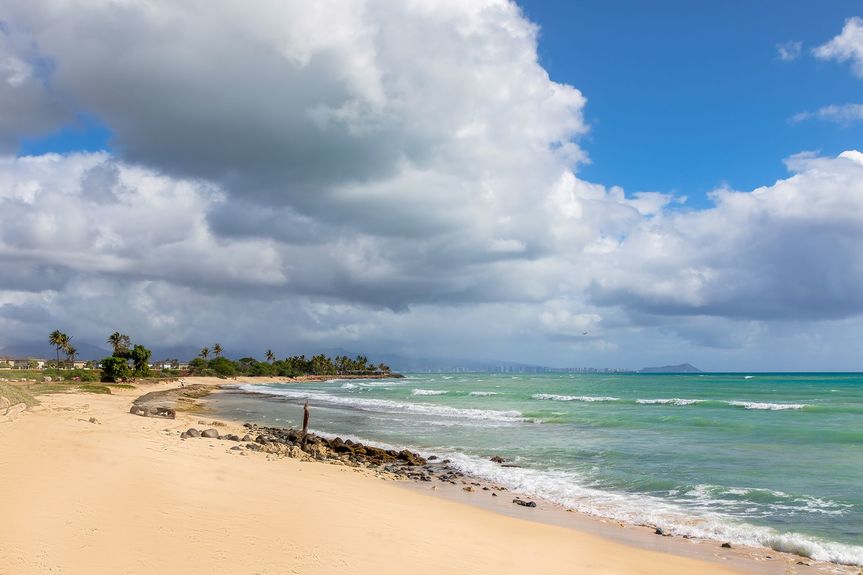
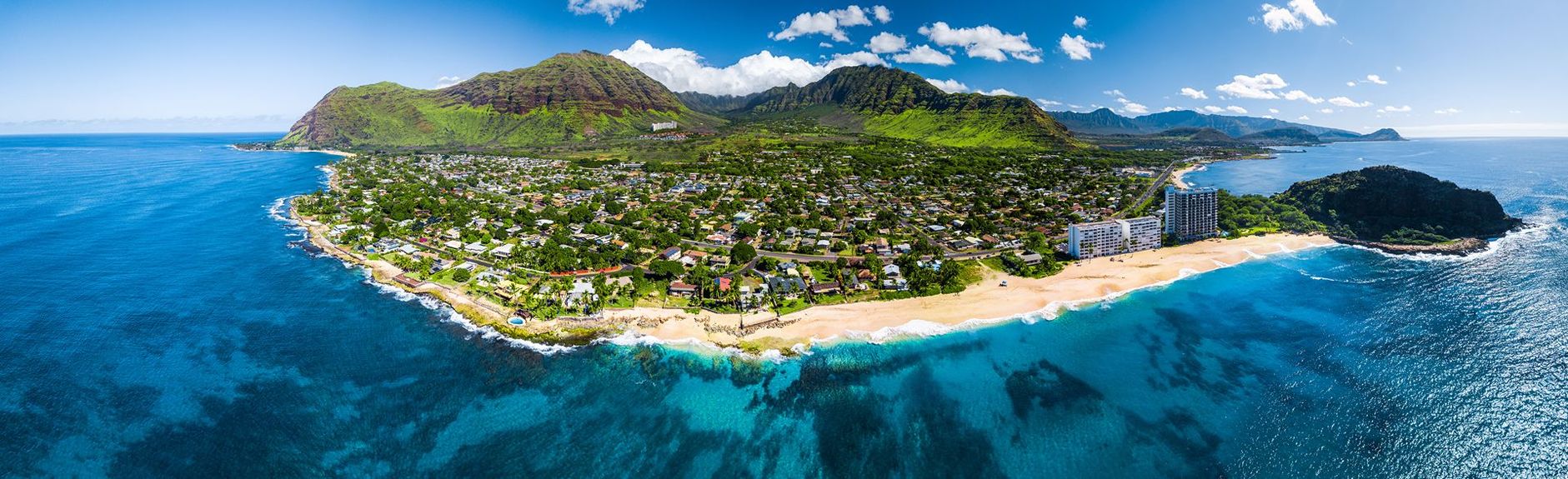
The Waiʻanae Coast stretches from Nānākuli through Māʻili and Waiʻanae to Mākaha, where the Waiʻanae Range comes close to the water and each community occupies its own valley. Buyers come for the beaches, space, and comparatively lower prices, but living here means understanding the distance, the single through road, and the coast's exposure to fire and the ocean.


The place
The Waiʻanae Coast has been settled around its valleys since traditional times, with fishing along the shore and farming inland where water allowed. Sugar and ranching arrived in the nineteenth century, followed by a railway that once ran around Kaʻena Point.
The Hawaiian Homes Commission Act of 1921 established Native Hawaiian homesteads, and Nānākuli became one of Oʻahu's oldest homestead communities. Hawaiian Home Lands remain a significant part of the coast today, particularly in Nānākuli and Waiʻanae Valley.
Mākaha followed a different path. In 1989, the City rezoned land in Mākaha Valley from country to resort for a conference hotel that was never built. That history helps explain why certain Mākaha properties have rental opportunities that differ from most of the coast.
How the area is organized
The Waiʻanae Coast is often spoken about as one area, but the experience changes considerably from one valley to the next. Nānākuli, Māʻili, Waiʻanae, and Mākaha each have their own landscape, housing patterns, and relationship to the coast.
Living here
Life on the Waiʻanae Coast is closely tied to the shoreline, the valleys, and the communities along Farrington Highway. The tradeoffs are straightforward: more space and a different pace of life, balanced against distance, limited road access, and the realities of living near both the mountains and the ocean.
Most local dining is found along Farrington Highway and tends to be family-run and community-oriented. Waiʻanae is the commercial center, with additional local businesses and food options throughout Māʻili and Mākaha.
Mākaha Beach, Pōkaʻī Bay, Māʻili and Nānākuli beach parks provide access to the coast, while the valleys and Kaʻena Point extend the landscape inland and northward. Pōkaʻī Bay offers calmer water, while the exposed beaches can see significant winter surf.
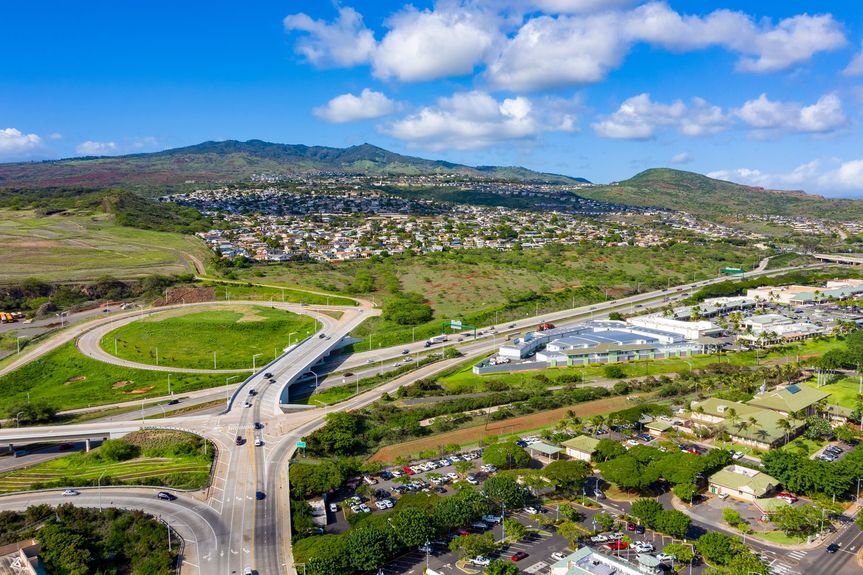
Farrington Highway is the only through road along the coast. Closures from accidents or brush fires can affect the entire community, and the drive toward Honolulu can exceed an hour from Mākaha during peak times. The nearest Skyline station is in East Kapolei.
Schools serve the individual communities along the coast, while the Waiʻanae Coast Comprehensive Health Center provides health care for the broader area. School assignment and availability should be confirmed for the specific property.
Before you buy
The Waiʻanae Coast can offer a very different value proposition from other parts of Oʻahu, but the important questions often extend beyond the house itself. Land status, hazard exposure, wastewater, building condition, rental eligibility, and the commute should all be understood before you commit.
The market
Market conditions change. The figures below are a starting point. If you would like the full picture for a specific street or property, ask me.
Questions worth asking
A few practical questions buyers often have before they start narrowing down properties in Waiʻanae Coast.
Only if you are a qualified Native Hawaiian beneficiary and through the Department of Hawaiian Home Lands process. Homestead properties are not open-market sales.
Only if the property is in an eligible resort-zoned area, registered with the City, and permitted by its association. The Cottages at Mauna ʻOlu have been identified as eligible, while most other properties on the coast are subject to the 30-day minimum.
The drive can take more than an hour from Mākaha during peak times and is generally shorter from Nānākuli. Because Farrington Highway is the only route in and out, a single closure can affect the entire coast.
Distance, a single access road, older housing stock, and the large share of homestead land that is not sold on the open market all contribute to the difference.
For buyers who want to live on the coast and understand its community, risks, and commute, it can be. The source's advice is clear: this is not a place to buy sight unseen.
Continue exploring
If Waiʻanae Coast is close to what you're looking for, these nearby neighborhoods may be worth exploring as well.
Considering Waiʻanae Coast?
Thinking about buying or selling in Waiʻanae Coast? Tell me what draws you here and what you already know. I'll help you understand the neighborhood, the local market, and the details worth checking before you decide.
Share My QR |
|