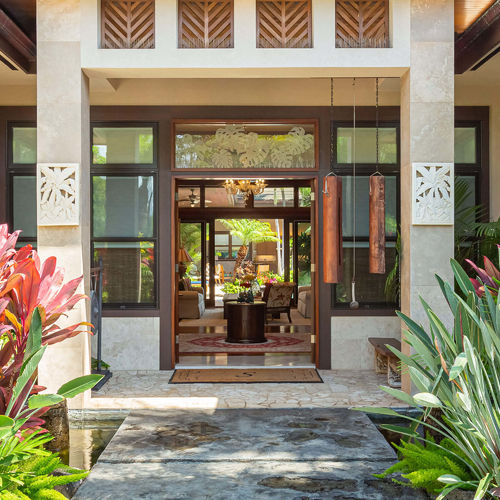




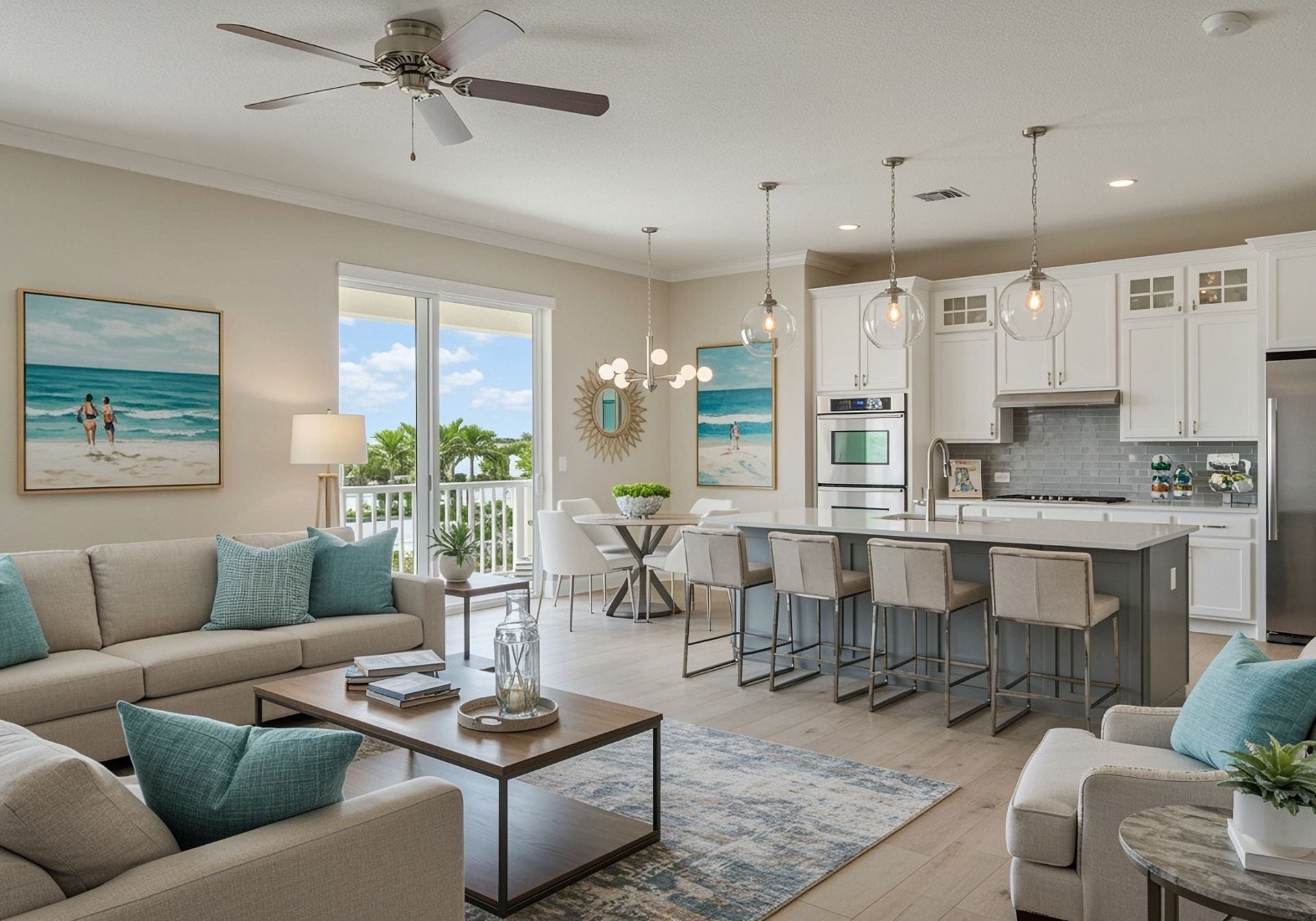
The order in which you prepare a home for market matters. Owners often begin with appearance: paint, furniture, photography. I begin with condition, because a beautifully presented home with an unresolved problem still sells at a discount, and usually after a difficult negotiation.
First, know what a buyer will find
I often recommend a pre-listing inspection and a termite inspection before we set a price. The cost is modest. The benefit is that you learn about problems while you still control the timing and the solution, rather than during the buyer's inspection period.
Second, resolve what you can
- Repairs that a buyer's inspector will certainly flag: leaks, failing fixtures, electrical issues, visible termite damage.
- Permits. Unpermitted additions are common on Oʻahu. Some can be legalized; others are better disclosed clearly. Either way, it is better addressed before listing.
- Documents. Gather permits, warranties, solar agreements, survey, and any association records, so buyers can review them early.
Third, disclose fully
Hawaiʻi law requires sellers to disclose material facts about the property. A complete, candid disclosure protects you and builds trust with buyers. Problems that surface late are what unsettle a sale.
Then, present it properly
Once the home is sound, presentation does its real work. That means editing furniture and belongings so rooms read clearly, professional photography in good light, and accurate floor plans. For the right property, it also means a printed presentation that tells the story of the home and its setting, for the buyers most likely to value it.
Presentation cannot substitute for condition. But a well-kept home, presented with care, gives buyers reasons for confidence, and confidence is what supports price.
If you are thinking about selling in the coming year, it is not too early to talk about preparation.
Begin a ConversationCheck out this article next