



Share My QR |
|
Success!
Welcome to Kakaʻako
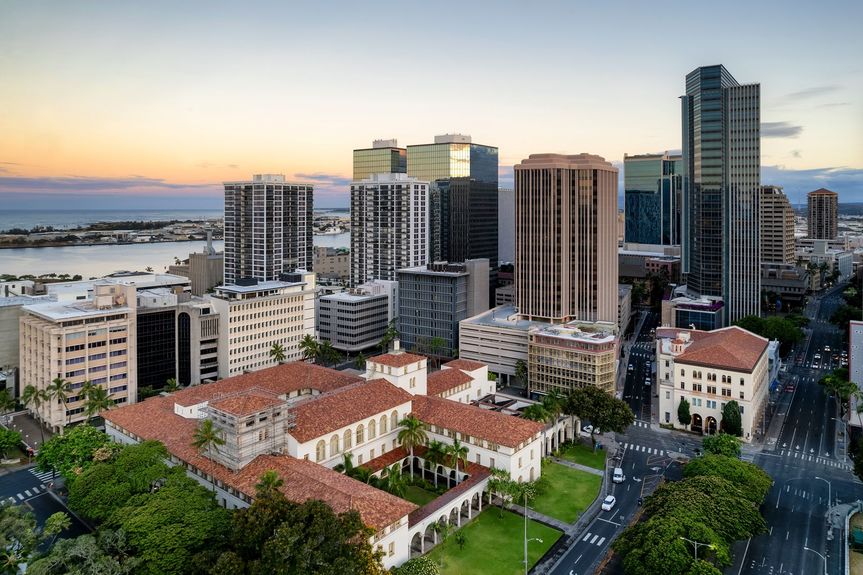
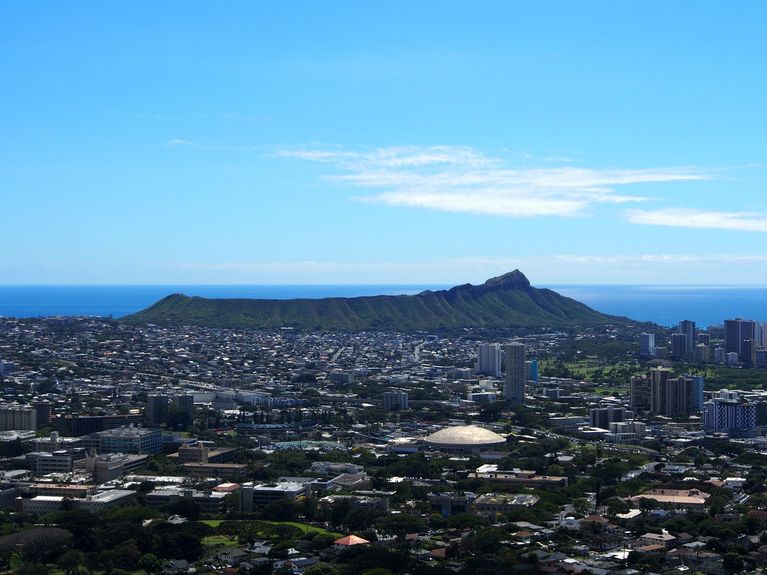
Kakaʻako is Honolulu’s urban core: six hundred acres between Downtown and Waikīkī that went from salt pans to ironworks to one of the densest new-construction markets in the state. Almost nothing about buying here works the way it works in the rest of Honolulu.
The neighborhood is shaped by HCDA rules, major development plans, privately operated public spaces, and a 180-day minimum rental period. Understanding those differences matters before you buy.

The place
Kakaʻako was once low, wet ground: salt pans, fishponds and marsh fed by streams coming down from Makiki and Pauoa. The reef-flat area known as Kaʻākaukukui was worked for salt into the nineteenth century.
Through the 1800s, the land was filled, including with construction debris and later municipal waste. Those layers of fill still matter today and can appear in geotechnical reports for new construction.
By the twentieth century, Kakaʻako had become a working district of ironworks, auto shops, lumber yards, tuna canneries and warehouses. Families lived among the businesses in camps that were gradually cleared as industrial zoning changed.
In 1976, the Hawaiʻi Community Development Authority was created and given Kakaʻako as a redevelopment district. That decision shaped the neighborhood that exists today. Unlike most of Honolulu, Kakaʻako’s zoning, height limits, density, open-space requirements and affordable-housing obligations are administered by the HCDA rather than the City and County of Honolulu.
How the area is organized
Kakaʻako is often spoken about as one neighborhood, but the experience changes considerably depending on which part of the district you are considering. Ward Village is only one piece of the larger area, and the buildings outside it have their own character, history and pricing.


Living here
Kakaʻako reads more like an urban neighborhood than a conventional Honolulu suburb. Most towers are within a fifteen-minute walk of groceries, restaurants, medical facilities, the waterfront and major shopping. Many residents can manage with one car or none.
Kakaʻako has one of Honolulu’s strongest concentrations of independent restaurants, cafés, breweries and retail. Ward Village, SALT at Our Kakaʻako and the surrounding streets each have a distinct mix of businesses, from established local restaurants to newer dining concepts.
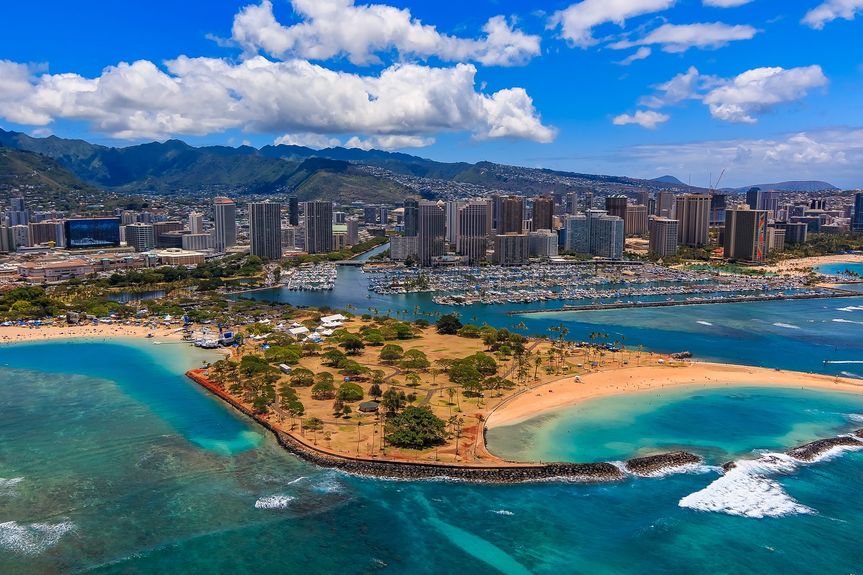
Kakaʻako Waterfront Park, Kewalo Basin Harbor and the waterfront provide direct access to the ocean and open space. Victoria Ward Park adds privately maintained green space within Ward Village, while Ala Moana Beach Park is within walking distance from the Diamond Head side of the district.
The neighborhood is unusually walkable for Honolulu. Groceries, restaurants, medical facilities, shopping and the waterfront are close to most residential towers. Rail is planned to reach the Kaʻākaukukui (Civic Center) station inside Kakaʻako in March 2031; the originally planned Kakaʻako and Ala Moana stations were deferred and currently have no committed opening date.
School assignment is determined by address. Families should confirm the current public-school assignment through the Hawaiʻi Department of Education school locator. The neighborhood also includes several nearby private-school options.
Before you buy
Kakaʻako has its own set of rules and development considerations. Before making an offer, understand not just the building you're buying into, but the district around it.
The market
Market conditions change. The figures below are a starting point. If you would like the full picture for a specific street or property, ask me.
Questions worth asking
A few practical questions buyers often have before they start narrowing down properties in Kakaʻako.
No. The minimum rental period in the Kakaʻako district is 180 days under HCDA rules, and individual buildings may impose stricter limits. Short-term and 30-day rentals are not permitted here.
Ward Village is a 60-acre master-planned community inside Kakaʻako. Every Ward Village address is in Kakaʻako, but most Kakaʻako addresses are not in Ward Village. The HCDA's rules, including the 180-day minimum, apply to both.
The great majority of newer inventory is fee simple, but ownership should still be confirmed for the specific unit because some older properties have different ownership structures.
Not in the currently funded project. The funded rail terminus is the Kaʻākaukukui (Civic Center) station near Halekauwila and South Streets, targeted for March 2031. The Kakaʻako and Ala Moana stations were deferred and have no committed date.
Reserved housing consists of units set aside under HCDA rules for buyers who meet income and residency requirements. These units are subject to owner-occupancy requirements, regulated resale periods and equity-sharing or buyback provisions.
Kakaʻako can work well for buyers who understand the district and underwrite it correctly. It is a walkable urban core with constrained land and a rental structure oriented toward longer-term tenancy rather than short-term turnover. It is not a short-term rental yield play.
Continue exploring
If Kakaʻako & Ala Moana is close to what you're looking for, these nearby neighborhoods may be worth exploring as well.
Considering Kakaʻako?
Thinking about buying or selling in Kakaʻako? Tell me what draws you here and what you already know. I'll help you understand the neighborhood, the local market, and the details worth checking before you decide.
Share My QR |
|